20 Years Planting Trees in Peru: Reflections of an Unrepentant Reforester
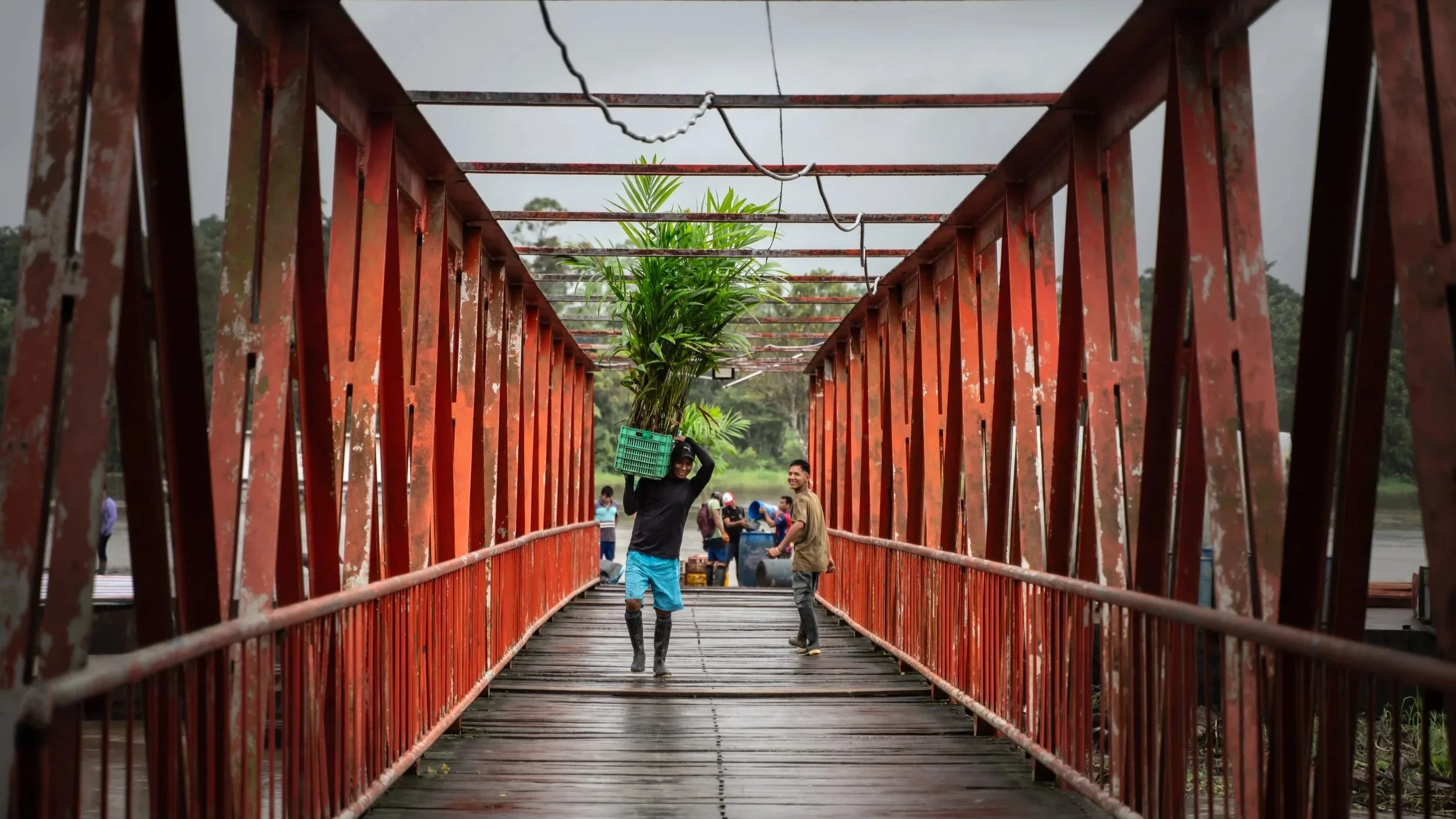
Over land and over river, Camino Verde facilitates the transfer of native biodiversity back to where it belongs, in native Amazonian communities.
by Robin Van Loon, founding director of Camino Verde
∞
photos by Dylan Francis, friend and long time CV collaborator
Hard to believe that this month of March we reach the 20th anniversary of the moment when a man named Víctor sold me the land that would eventually become Camino Verde’s original reforestation center. After he harvested his rice, I began digging holes and planting trees. I was only able to acquire the land thanks to the financial backing of a dear friend, who you could rightly say was our first ever donor. (You know who you are. Thank you!)
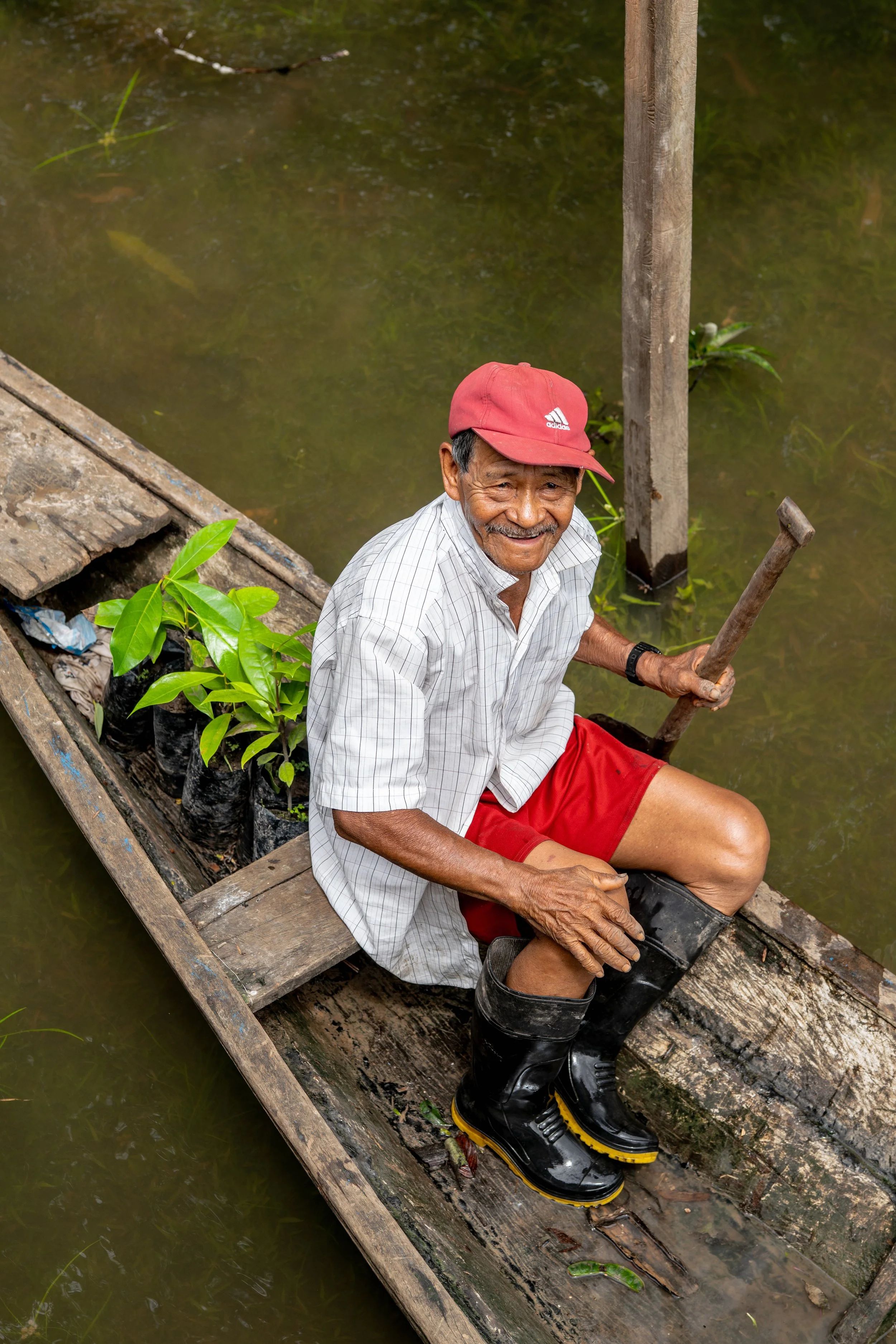
Camino Verde started planting endangered Amazonian tree species with Indigenous community members in 2013.
Back there in 2006, I was 23 years old. By then, I’d spent two years of my life hiking out to Quechua villages in the high Andes to learn from farmers and herbalists in rural Andean communities. I had the amazing good fortune to spend long days, weeks, and months under the tutelage of traditional healers using medicinal plants in various ecological regions of Peru – the desert, the mountains, and the jungle.
These extraordinarily knowledgeable teachers were incredibly kind to me, and these experiences changed my life. When I turned 21, for a period of over a year I lived in an Indigenous community in the Peruvian Amazon. I slept in a hammock, on the floor or on the porch at the home of the community’s elder herbalist. In his company, I learned the names and uses of hundreds of Amazonian plant species.
From my experiences in the Amazonian back country, I gained so much in terms of growth and learning. So, eventually, it became my mission to give something back to this landscape that was so generous with me and shifted my perspectives in so many ways.
And, here we are, 20 years later. I should avoid getting all long-winded (too late?) about the cherished life history of two decades on one plot of land, on this one lovely stretch of the river. So, instead of summarizing the journey, I’ll try to offer some small number of fruits of knowledge harvested from the years spent among diverse trees.
It goes without saying, but here I am repeating it: We couldn’t do this without you! Thanks to everyone who believes in what we do. To all who contribute directly to the cause by making a donation. Thanks for supporting our cause with your generosity and constructive energy in all its diverse manifestations.
What follows are just a few brief lessons learned along the way — lessons that continue to guide how Camino Verde grows forests and community today.
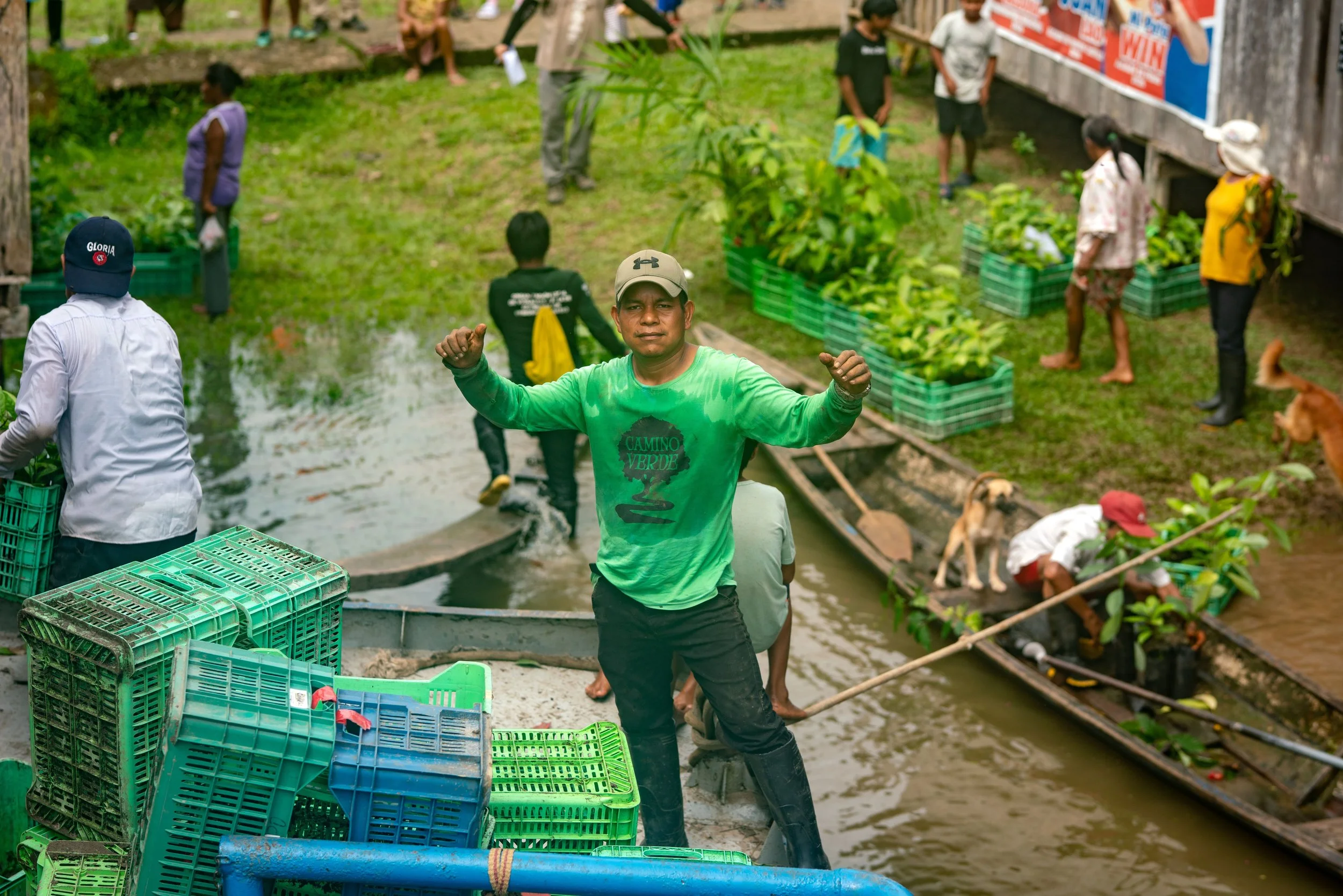
Delivering tree seedlings to communities is an annual ritual. And now more of the seedlings come from closer by, with Camino Verde building the Ampiyacu river basin’s first ever community-run tree nursery in 2024.
Reflections on Lessons Learned
in Twenty Years of Tree Planting
∞ Plant more trees than you think you’ll need.
Plant more trees than you think you’ll want. Why? Because you definitely will need more trees than you think you do (we all will). And, importantly, do it because some trees dying is just inherently a part of planting trees.
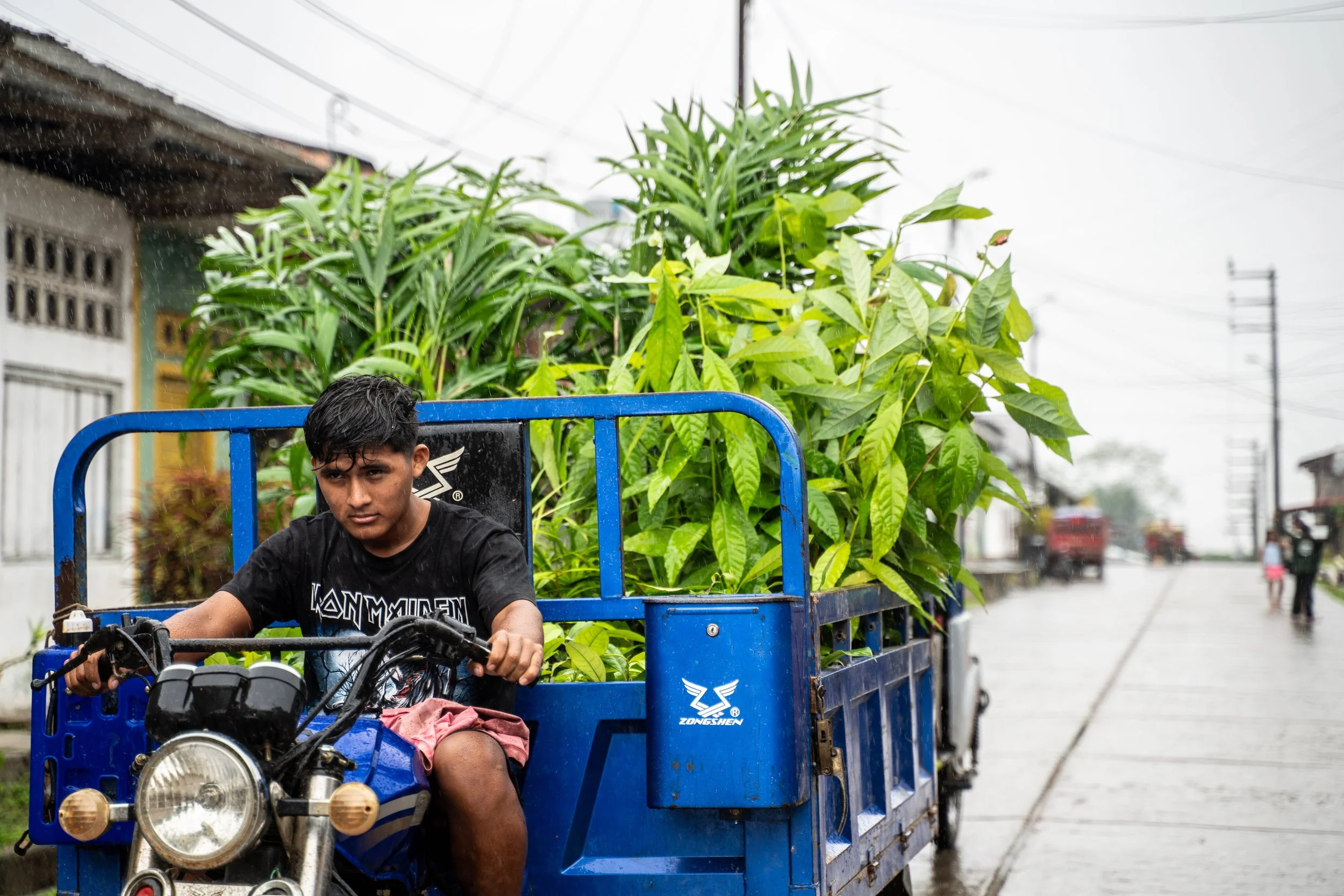
∞ The best thing about planting trees is the people you get to do it with.
Make no mistake. The best thing about the trees is the people. I’ve been blessed to meet so many remarkable people who plant trees. I hold Adoch Juliet in my heart at this time, just one of the amazing invisible army of tree planters out there in the world –– people whom planting trees has given me a chance to meet.
∞ There is actually no substitute for diversity.
Planting monocultures just doesn’t make sense. Period. We need a great number of trees, and we need a great diversity of trees. Life needs to be diverse to be life. Get over it.
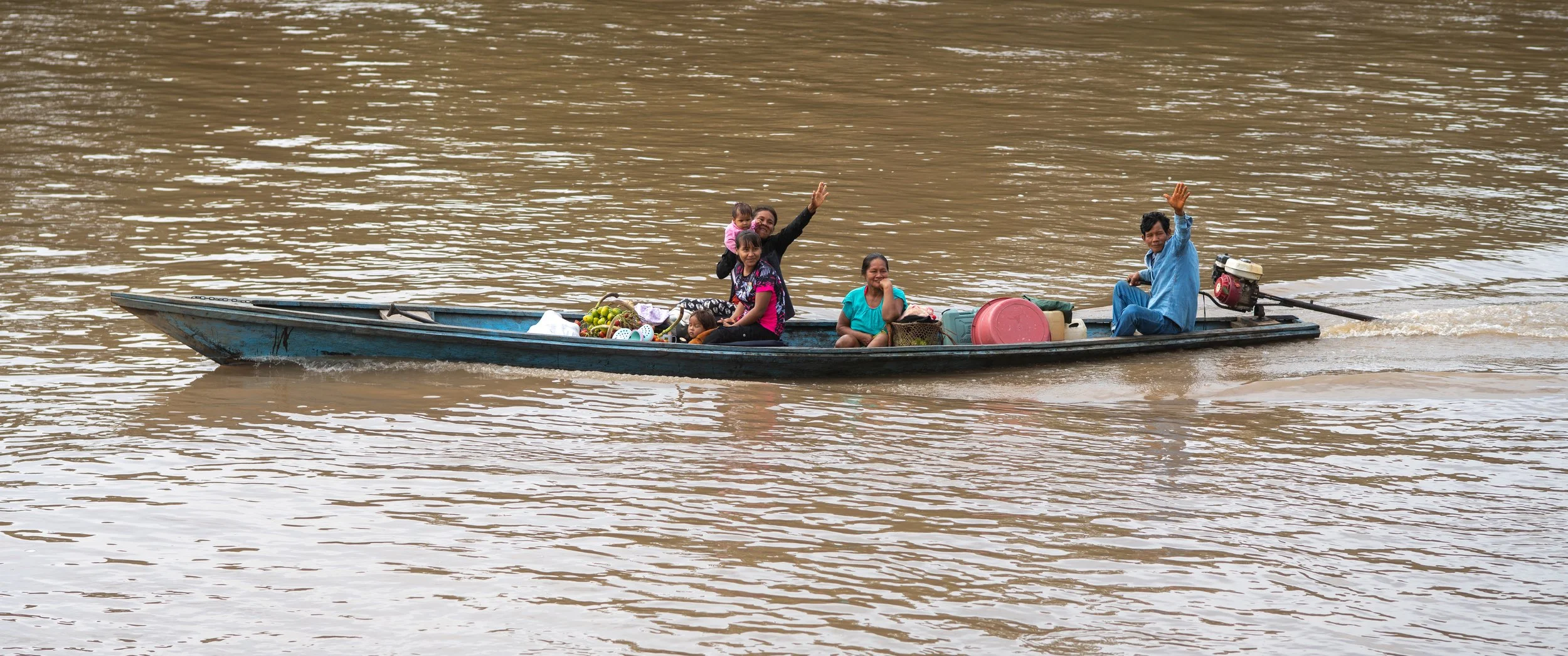
∞ Intact forests, the ones that are mostly untouched by degradation, are the most important treasure we have
…and we must ensure they remain available to future generations. In addition to conservation, if done right, today’s reforestation areas can be tomorrow’s intact forests.
∞ And, finally, the most obvious lesson.
Over these next twenty years, I know there will be much more to learn!
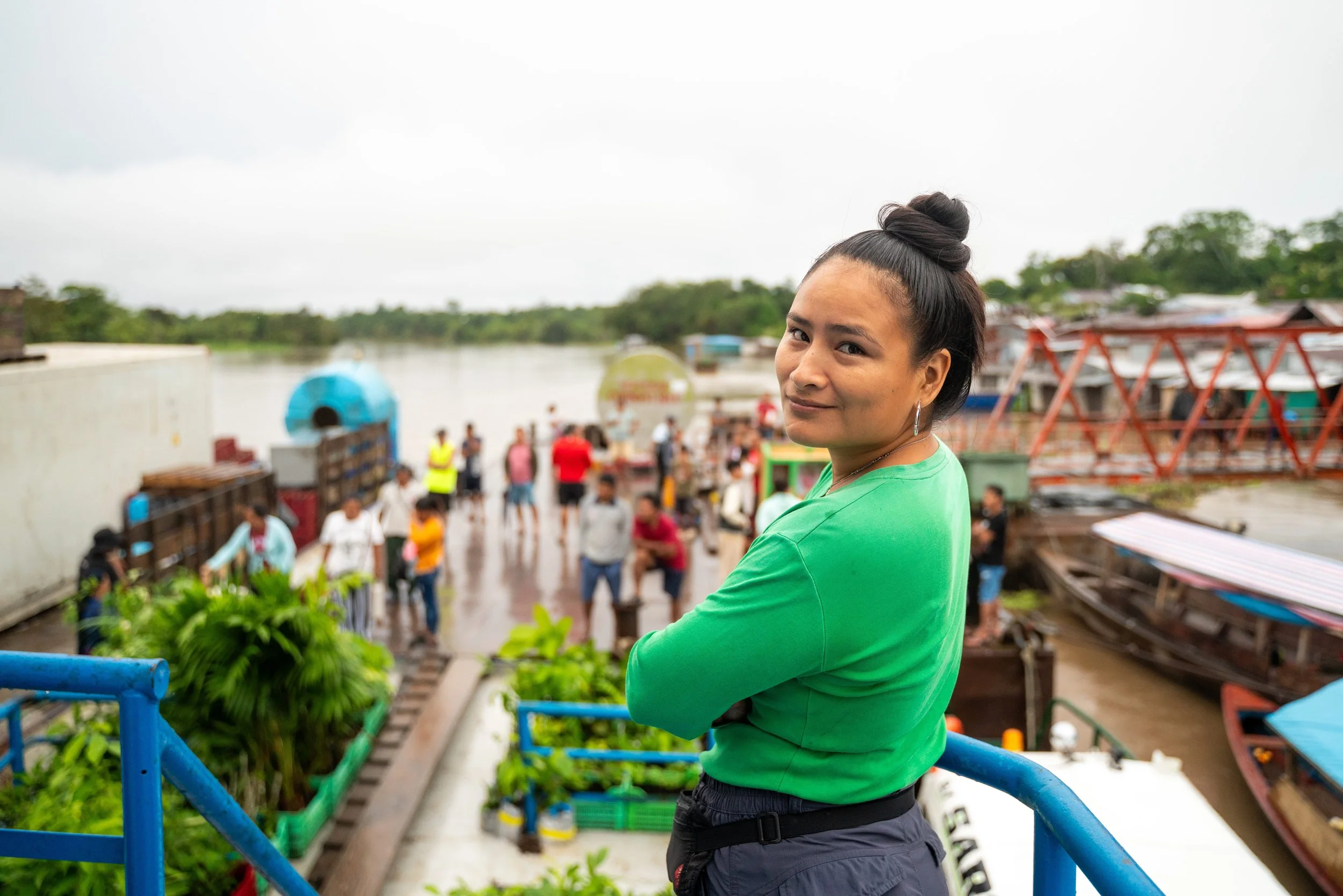
Camino Verde is a dedicated team of Peruvian farmers, foresters, agronomists, native community members and agro-foresters.
Thanks for being on this journey with us – Thanks for reading about Camino Verde!
Let’s make it a conversation. We are always happy for you to get in touch! Drop us a line, let us know what you think, or plant a tree in someone’s name. All you have to do is hit the Comments below.
We’d love to hear from you — and to continue growing this forest together.